Commercial MEP Estimating Services in Connecticut
Forensic plan-based quantity takeoffs, mechanical piping estimates, ductwork poundage calculations, and commercial plumbing bid packages for contractors across Connecticut.
Commercial Estimating Support for Connecticut Subcontractors
Connecticut commercial construction is driven by Stamford corporate office retrofits, Yale and UConn healthcare and laboratory research developments, aerospace manufacturing in East Hartford, and pharmaceutical facilities. Commercial estimating in Connecticut requires precise quantification of hydronic heating systems, high-efficiency chillers, laboratory gas lines, and multi-zone VAV ductwork. JLG Estimating supports Connecticut trade subcontractors with detailed, plan-based preconstruction quantity takeoffs and labor factoring in unlocked Excel spreadsheets.
Commercial mechanical contractors, plumbing subcontractors, and preconstruction departments bidding healthcare, higher education, corporate office, and advanced manufacturing across Connecticut.
Climate, Mechanical Loads & Building Standards
Located in ASHRAE Climate Zone 5A (cold, humid), Connecticut requires mechanical systems engineered for substantial winter heating loads and humid summers. Preconstruction estimates frequently feature condensing boiler plants, dual-fuel burners, glycol hydronic loops, and chilled water central plants. In coastal Fairfield and New Haven counties, flood zone elevations and coastal corrosion resistance dictate heavy-gauge equipment curbs and epoxy coil coatings.
Connecticut construction is governed by the Connecticut State Building Code, administered by the Department of Administrative Services (DAS) Office of the State Building Inspector (OSBI). The state adopts the 2021 International Building, Mechanical, Plumbing, and Energy Conservation Codes with Connecticut-specific amendments. Major municipal building departments require comprehensive mechanical plan submittals and energy compliance documentation. Project requirements can vary by jurisdiction and adopted code edition, so the applicable plans, specifications, and authority requirements should be confirmed for each project.
Official Connecticut reference sources
These agency and standards-body references provide background for project review. They do not determine which code edition applies or certify compliance; confirm requirements for the specific address and bid documents with the design team and authority having jurisdiction.
- Connecticut Department of Administrative Services (DAS) OSBI
State of Connecticut - Commercial Mechanical & Plumbing - Repository source check recorded 2026-09-30.
- Connecticut Department of Consumer Protection (DCP)
State of Connecticut - Commercial MEP & Occupational Licensing - Repository source check recorded 2026-09-30.
Specialized Commercial MEP Services in Connecticut
Explore our dedicated CSI Division 22 & 23 estimating services tailored specifically for Connecticut commercial subcontractors.
Plumbing Estimating in Connecticut
Plumbing & Sanitary takeoff support using project documents to identify applicable scope and stated requirements in Connecticut. JLG does not certify code compliance.
- Itemized takeoff of fixtures, sanitary waste/vent, domestic water, and roof drainage
- Underground vs. above-ground utility segregation
- Material pricing and regional MCAA labor hour benchmarking
HVAC Estimating in Connecticut
Commercial HVAC takeoff support using project documents to identify applicable scope and stated requirements in Connecticut. JLG does not certify code compliance.
- Rooftop units, air handlers, chillers, boilers, and VRF systems quantification
- Chilled water, heating water, and refrigerant piping takeoffs
- SMACNA ductwork poundage, insulation, and air distribution schedules
Ductwork Takeoffs in Connecticut
Sheet Metal & Ductwork takeoff support using project documents to identify applicable scope and stated requirements in Connecticut. JLG does not certify code compliance.
- Galvanized, stainless steel, and aluminum poundage calculations
- Rectangular duct, spiral pipe, and custom transitions itemization
- Fire/smoke dampers, sound attenuators, and diffusers quantification
Mechanical Piping in Connecticut
Mechanical Piping takeoff support using project documents to identify applicable scope and stated requirements in Connecticut. JLG does not certify code compliance.
- Carbon steel, copper, grooved, welded, and HDPE pipe takeoffs
- Valve packages, strainers, expansion joints, and pump hookups
- Steam traps, condensate return, and boiler plant piping
Electrical Estimating in Connecticut
Commercial Electrical takeoff support using project documents to identify applicable scope and stated requirements in Connecticut. JLG does not certify code compliance.
- Switchgear, distribution panelboards, and motor control centers quantification
- Conduit raceways, wire sizes, and feeder schedule linear measurements
- Commercial LED architectural, high-bay, and emergency lighting takeoffs
Preconstruction Takeoff Workflow for Connecticut Projects
Our step-by-step estimating process ensures every drawing revision, regional labor factor, and specification nuance is captured.
Blueprint & Addenda Audit
Detailed intake of architectural, structural, and MEP drawings, auditing addenda and bulletin revisions to ensure every design change is captured.
Digital Quantity Takeoff
Precise linear measurements of domestic water, sanitary drainage, hydronic piping, fitting schedules, and SMACNA ductwork poundage.
Connecticut Labor & Material Factoring
Calibrating labor hours against Connecticut prevailing wage determinations, union agreements (UA Local 777), or regional open-shop productivity curves.
Excel BOQ & Bid Delivery
Delivery of an unlocked, fully customizable Microsoft Excel spreadsheet with transparent formulas, marked-up PDF blueprints, and bid assumptions letter.
Major Metropolitan Markets Across Connecticut
Our preconstruction estimating services support contractors bidding commercial, institutional, healthcare, and industrial projects throughout Connecticut:
Code Standards: Connecticut State Building Code (incorporating 2021 IBC, IMC, IPC, and IECC), with Energize Connecticut commercial efficiency criteria.
Labor Dynamics: Calibrated for prevailing wage schedules on public works, New England union wage structures (UA Local 777), and Fairfield County commercial office market dynamics.
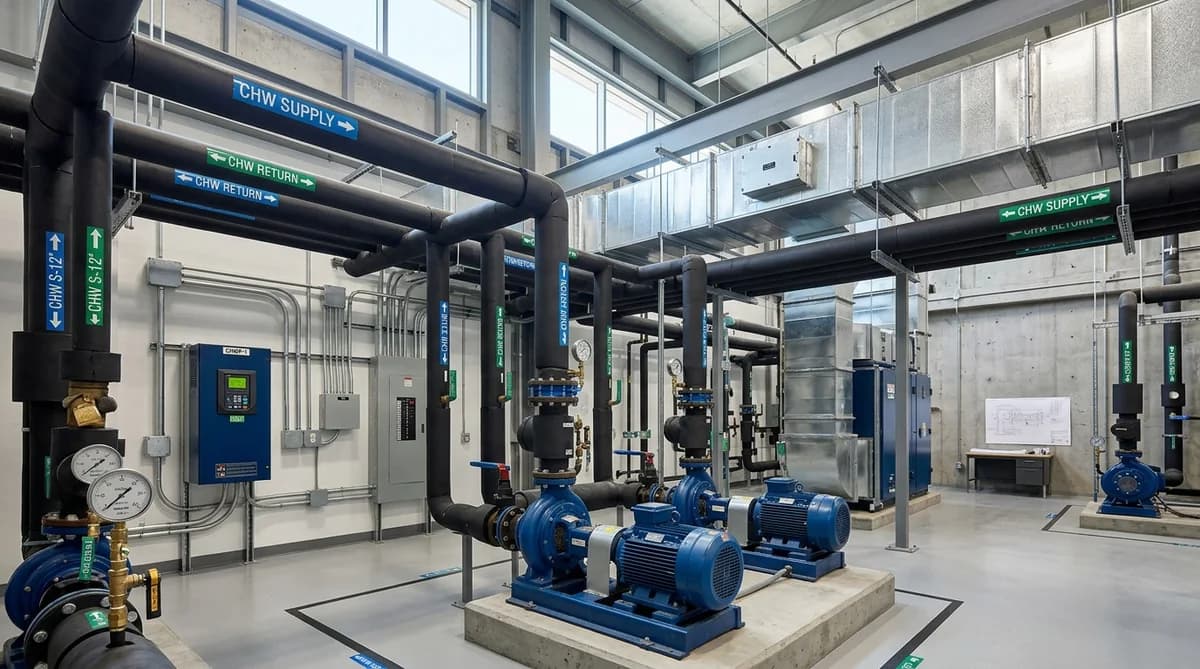
Regional Estimating Challenges in Connecticut
Key engineering and site conditions that our estimators account for when preparing commercial bid packages in Connecticut.
Strict Energy & Boiler Efficiency
Connecticut energy codes mandate high-efficiency condensing boilers, variable speed pumping, and mandatory economizer ventilation.
Historic Building Shaft Clearances
Commercial retrofits in historic Hartford and New Haven buildings require careful quantification of tight mechanical chases and riser coring.
Coastal Shoreline Floodproofing
Long Island Sound coastal facilities require elevated rooftop mechanical equipment mountings and flood-resistant plumbing backflow stations.
What Subcontractors in Connecticut Receive
The proposal identifies the deliverables agreed for the project; contractors can use them in their own bid review and pricing workflow.
Itemized Microsoft Excel Bill of Quantities
Fully unlocked spreadsheet with dedicated workbook tabs for piping linear footages, sheet metal poundages, equipment schedules, and fixture counts.
Color-Coded Marked-Up Drawing PDFs
Visual plan audit trail with color-coded measurement overlays on architectural and MEP floor plans, enabling immediate scope verification.
Procurement Material Summaries
Organized bills of materials ready for direct vendor and supply house quotation, separated by pipe alloy, fitting class, and equipment tags.
Bid Clarifications & Scope Assumptions
Formal narrative documenting takeoff boundary limits, referenced Connecticut building code editions, addenda incorporated, and RFI advisories.
Connecticut Commercial Estimating FAQs
Common inquiries from subcontractors bidding commercial work in Connecticut.